Totally Rad Vibes
Get ready for some seriously awesome 90s nostalgia!
-
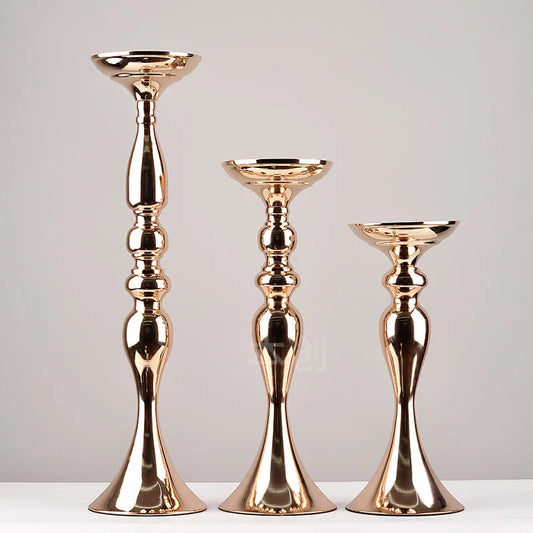
Metal Candle Holders Flowers Vase Candlestick Centerpieces Road Lead Candelabra Centerpieces Wedding porps Christmas decoration
Regular price From $19.99 USDRegular price$20.52 USDSale price From $19.99 USDSale -
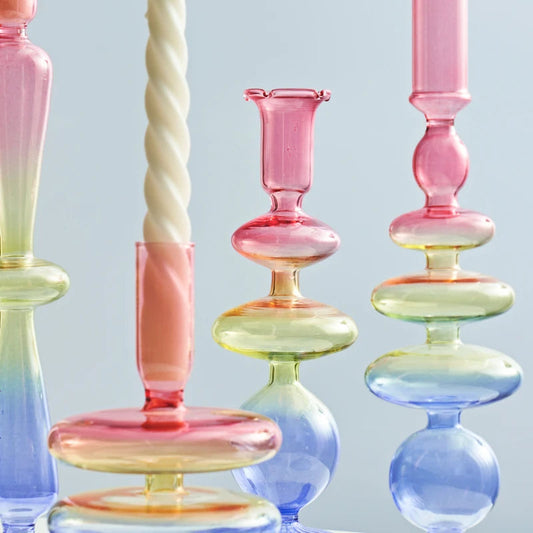
Candlestick Holder Glass Candle Holder for Candlestick Dinner Party Wedding Centerpieces Table Decoration Home Decor
Regular price From $16.99 USDRegular price$17.08 USDSale price From $16.99 USDSale -
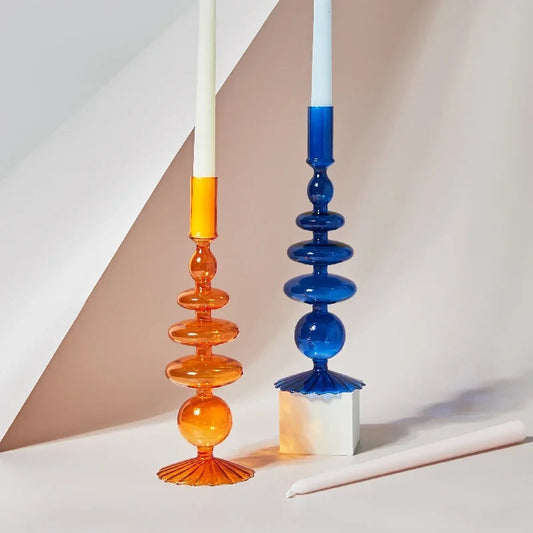
Nordic Candle Holders Room Decor Candlesticks Holders Wedding Centerpieces Candles Holder Home Decor Candelabros Decorativos
Regular price From $21.99 USDRegular price$18.06 USDSale price From $21.99 USD -
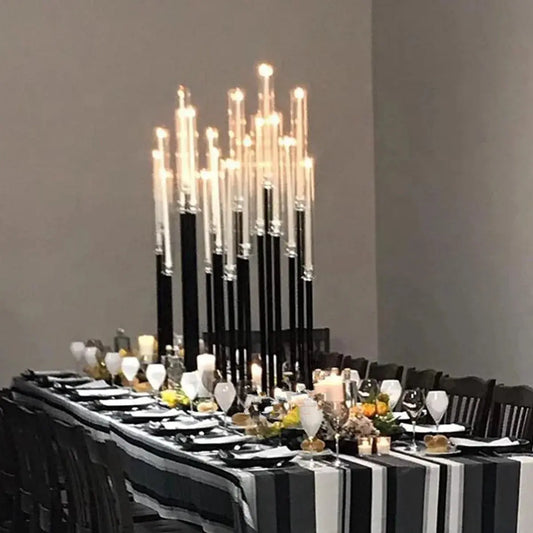
Wedding Table Centerpiece Flower Stand, Acrylic Candle Holder, Party Road Lead, DIY Decoration, 9 Heads Candlesticks, Black, 2 P
Regular price From $101.99 USDRegular price$101.22 USDSale price From $101.99 USD